Discover Evidence-Based Practices: Virtual Reality for Individuals with IDD

*This course has been pre-approved by OAHPERD for 5 clock hours.

The purpose of this course is to raise awareness of best practices from other allied health professions for the use of virtual reality (VR) among individuals with intellectual and/or developmental disabilities (IDD). The course will explore VR evidence-based practices with individuals with IDD in various fields. Thematic topics from a systematic literature review completed by Dr. Oakes include: VR increases skills; VR motivates; VR to support traditional services; most effective types of VR; suitability and accessibility of VR; complimentary support for VR implementation and succcessful engagement; VR challenges, lessons learned, and needed improvements; and the full potential of VR not yet realized. Implications for the use of virtual reality with individuals with IDD as a recreational therapy intervention will also be shared. At the completion of this course, participants will need to pass an exam with a minimum score of 80%. Participants must complete the course within 365 days of starting the course to receive a completion certificate.

Statement for HPERD Professionals

Dr. Lindsey Oakes presents an outstanding overview of intellectual and/or developmental disabilities and the use of virtual reality.  A comprehensive literature review is provided incorporating Evidence Based Practices and the physical, social, emotional, and cognitive benefits of using VR. If you interact or work with individuals with ID/DD, this course will provide you with a wealth of information and resources.

Course Objectives

  • Demonstrate understanding of the use of VR among individuals with IDD from various allied health professions.

  • Demonstrate awareness of missing evidence-based practice data from the field of therapeutic recreation for the use of VR among individuals with IDD.

  • Identify various benefits and challenges of the use of VR with individuals with IDD.

  • Demonstrate awareness of ways in which various allied health professions have used VR with individuals with IDD.

  • Demonstrate understanding of the outcomes of the use of VR with individuals with IDD.

  • Identify ways in which VR is well suited, as well as ways in which VR can be improved, for use as an intervention with individuals with IDD.

  • Demonstrate understanding of the potential of CTRSs using VR and establishing VR as an evidence-based practice with individuals with IDD.

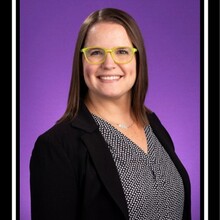
Dr. Lindsey R. Oakes, LRT, CTRS

Instructor Bio:

Ph.D. in Public Health Education at University of North Carolina Greensboro M.S. in Therapeutic Recreation at University of North Carolina Greensboro B.S. in Recreation Programming at University of Florida Practice Experiences: Dr. Oakes worked within an inclusive postsecondary education (IPSE) program, Beyond Academics, at the University of North Carolina Greensboro for four years. In her role as Student Support Coordinator, Dr. Oakes had the pleasure of creating and providing recreational therapy services to college students with IDD, bring three additional CTRSs on board as staff members, building recreational therapy service delivery within Beyond Academics, and creating an internship program within Beyond Academics for recreational therapy students. Research Interests: RT best practices for individuals and/or college students with IDD, social inclusion of individuals and/or college students with IDD, inclusion of individuals and/or college students with IDD in recreation and sports, health and wellness of individuals and/or college students with IDD, use of photovoice with individuals with various disabilities.

Dr. Lindsey R. Oakes, LRT, CTRS

SMART Instructor